
Artificial Intelligence is fundamentally transforming how organizations attract, develop, and retain global talent. As we approach 2026, AI-powered talent management systems are evolving from basic automation tools to sophisticated strategic partners that predict workforce trends, personalize employee experiences, and optimize human capital investments. Organizations that successfully integrate AI into their talent strategies are achieving unprecedented levels of efficiency, engagement, and competitive advantage in the global war for talent.
This comprehensive analysis explores the cutting-edge applications of AI in global talent management, examining how machine learning algorithms, predictive analytics, and intelligent automation are reshaping recruitment, development, retention, and strategic workforce planning across international boundaries.
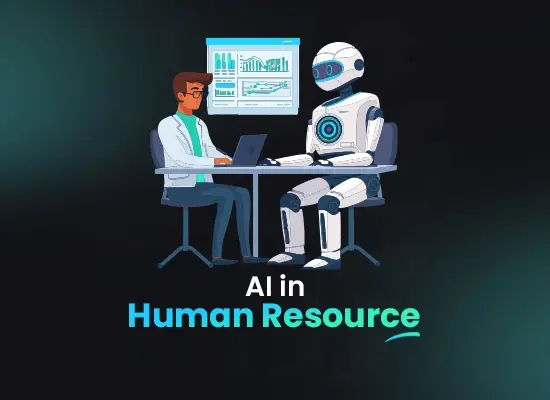
Advanced AI systems are revolutionizing how organizations identify, attract, and select top global talent, reducing time-to-hire while improving candidate quality and diversity outcomes.
AI algorithms now scan global talent pools, analyzing millions of data points to identify passive candidates who match specific role requirements and organizational culture. These systems can predict candidate mobility and identify skill adjacencies, expanding talent pipelines by 300% while reducing sourcing costs by 45%. The most advanced platforms can even identify emerging skill clusters and future talent needs before they become apparent to human recruiters.
Machine learning models are eliminating unconscious bias from recruitment processes by focusing exclusively on job-relevant qualifications and competencies. Organizations using AI-powered screening report 35% more diverse hires while maintaining or improving quality indicators. These systems continuously learn from hiring outcomes, refining their algorithms to better predict candidate success and cultural fit across different global markets and organizational contexts.
Advanced AI systems analyze historical hiring data, performance metrics, and retention patterns to create sophisticated success prediction models. These models can forecast candidate performance with 85% accuracy, considering factors such as learning agility, adaptability to remote work, and cross-cultural competence. Early adopters report 40% reduction in early-stage turnover and 25% improvement in new hire productivity.
AI-driven learning and development platforms are creating highly personalized growth experiences that adapt to individual learning styles, career aspirations, and skill gaps.
Intelligent learning systems analyze employee performance data, career goals, and organizational needs to create customized development journeys. These platforms adjust content delivery, difficulty levels, and learning modalities in real-time, resulting in 60% faster skill acquisition and 45% higher knowledge retention compared to traditional training approaches. The systems can identify skill gaps before they impact performance and recommend targeted interventions.
AI algorithms analyze internal mobility patterns, skill adjacencies, and market trends to predict viable career paths and identify development opportunities. Employees receive personalized career recommendations based on their strengths, interests, and organizational needs, leading to 50% higher internal mobility rates and 30% improved employee retention. These systems can also identify future leadership potential years before traditional assessment methods.
AI-powered platforms deliver bite-sized learning content precisely when employees need it, based on their current tasks, projects, and performance challenges. This approach has shown 70% higher application rates compared to scheduled training programs. The systems can automatically generate customized learning content, simulations, and knowledge checks based on individual learning patterns and job requirements.
Advanced AI systems are transforming employee retention from reactive to predictive, enabling organizations to proactively address engagement issues and retain top talent.
Machine learning models analyze hundreds of variables—including engagement survey responses, work patterns, communication metadata, and market conditions—to identify employees at high risk of leaving. These systems can predict voluntary turnover with 90% accuracy up to six months in advance, allowing managers to implement targeted retention strategies. Organizations using these systems report 35% reduction in unwanted turnover among high-performers.
Natural language processing algorithms analyze employee communications, feedback, and digital interactions to measure engagement levels and identify emerging concerns. These systems can detect subtle changes in sentiment and communication patterns that often precede disengagement or burnout. Real-time dashboards provide managers with actionable insights and recommended interventions to maintain high levels of engagement across distributed teams.
AI systems recommend customized retention strategies based on individual employee profiles, motivations, and career aspirations. These might include tailored development opportunities, flexible work arrangements, compensation adjustments, or mentorship connections. The most sophisticated platforms can simulate the potential impact of different retention strategies, helping organizations optimize their investment in talent retention.

AI-powered workforce planning tools are enabling organizations to anticipate future talent needs, identify skill gaps, and optimize human capital investments with unprecedented precision.
Advanced AI systems analyze industry trends, technological developments, and organizational strategy to identify emerging skill requirements and potential capability gaps. These systems can forecast skill obsolescence and recommend reskilling initiatives up to 18 months in advance. Organizations using these predictive capabilities report 50% better alignment between workforce capabilities and strategic objectives.
Machine learning algorithms analyze project requirements, individual capabilities, and team dynamics to recommend optimal team compositions for specific initiatives. These systems consider factors such as complementary skills, communication styles, and time zone compatibility to maximize team effectiveness. Companies report 30% improvement in project outcomes and 25% faster delivery times when using AI-optimized team structures.
AI-powered workforce planning platforms simulate the financial impact of different talent strategies, helping organizations optimize their human capital investments. These systems can model the effects of hiring freezes, restructuring, expansion into new markets, or adoption of automation technologies. This enables data-driven decisions about workforce size, composition, and location that balance operational needs with financial constraints.
As AI becomes increasingly integral to talent management, organizations must navigate complex ethical considerations and ensure human-centric implementation.
Leading organizations are implementing robust governance frameworks to ensure AI systems are transparent, explainable, and free from bias. This includes regular algorithmic audits, diverse training data sets, and human oversight of critical decisions. The most advanced systems provide clear explanations for their recommendations, allowing HR professionals to understand and validate the reasoning behind AI-generated insights.
Successful AI implementation requires careful attention to data privacy, security, and employee consent. Organizations are developing clear policies about data collection, usage, and retention, while ensuring compliance with global privacy regulations. Building employee trust through transparency and giving individuals control over their data is essential for widespread adoption and positive outcomes.
The most effective talent management systems combine AI capabilities with human expertise, creating collaborative decision-making processes. AI handles data analysis and pattern recognition, while HR professionals provide contextual understanding, emotional intelligence, and ethical judgment. This hybrid approach leverages the strengths of both human and artificial intelligence while mitigating their respective limitations.
The evolution of AI in talent management continues to accelerate, with several emerging trends shaping the future of HR technology.
Advanced language models are being deployed to automate HR documentation, create personalized communications, and generate training content. These systems can draft job descriptions, performance reviews, and development plans while ensuring consistency and compliance. Early adopters report 60% reduction in administrative burden for HR professionals.
Emerging technologies can analyze vocal patterns, facial expressions, and writing styles to assess employee well-being and emotional states. While raising important privacy considerations, these tools offer potential for early identification of burnout, stress, and mental health challenges, enabling proactive support and intervention.
Distributed ledger technology is being integrated with AI systems to create tamper-proof records of skills, credentials, and accomplishments. This enables more accurate talent matching, reduces credential verification costs, and creates portable career records that employees can control and share across organizations.
AI-driven talent management represents a paradigm shift in how organizations attract, develop, and retain global talent. The integration of artificial intelligence into HR processes is creating more efficient, equitable, and effective talent systems that can scale across international boundaries and adapt to rapidly changing business environments. Organizations that successfully leverage these technologies are building significant competitive advantages through superior talent outcomes and optimized human capital investments.
However, the successful implementation of AI in talent management requires more than just technological adoption—it demands thoughtful integration with human expertise, robust ethical frameworks, and ongoing attention to employee experience. The organizations that will thrive in the AI-enhanced future are those that view technology as an enabler of human potential rather than a replacement for human judgment.
As we move toward 2026, the convergence of AI with other emerging technologies—including virtual reality, blockchain, and quantum computing—will create even more powerful capabilities for understanding, developing, and optimizing human potential. The organizations that begin their AI transformation journey today will be best positioned to harness these future innovations and build the agile, resilient, and high-performing global workforces needed to succeed in an increasingly complex and competitive business landscape.
At Navon Jobs, we combine cutting-edge AI technology with deep human expertise to help organizations transform their talent management practices. Our AI-powered talent solutions provide the insights, automation, and personalization needed to build world-class global teams while maintaining the human touch that drives engagement and loyalty. Contact us to explore how AI can revolutionize your talent strategy and position your organization for success in 2026 and beyond.