
The global remote work revolution has fundamentally transformed how organizations build, manage, and scale international teams. What began as a temporary response to global disruptions has evolved into a permanent strategic advantage for companies that master distributed workforce models. Organizations that successfully navigate this new landscape are discovering unprecedented opportunities to access global talent, reduce operational costs, and enhance workforce flexibility while maintaining high levels of productivity and innovation.
This comprehensive analysis explores the strategic implications of the global remote work revolution, examining best practices for building high-performing distributed teams, overcoming cross-border challenges, and leveraging technology to create cohesive, productive international workforces that thrive in virtual environments.
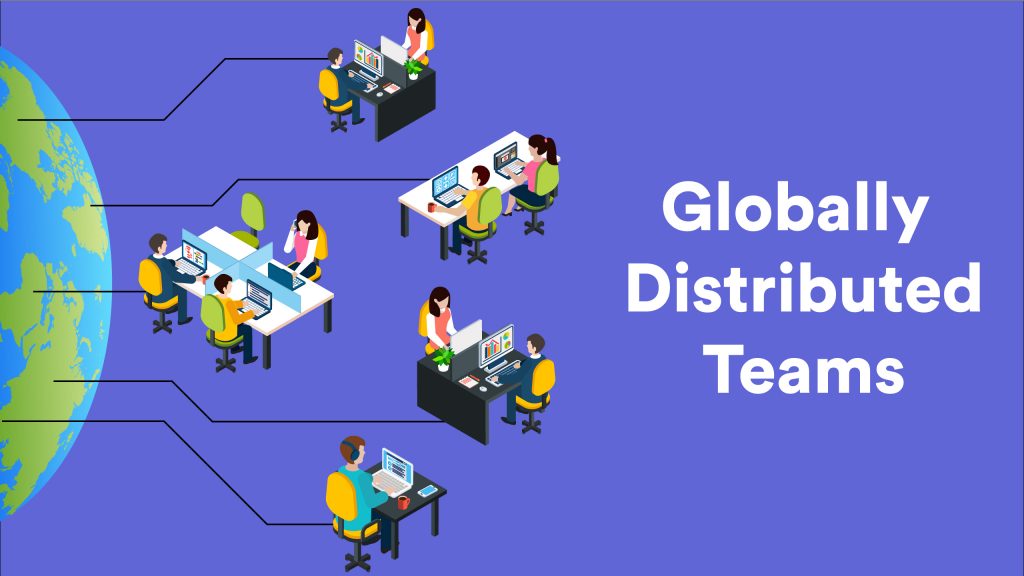
Organizations embracing global remote work models are achieving significant competitive advantages through enhanced talent access, operational efficiency, and business resilience in an increasingly volatile global market.
Remote work eliminates geographic barriers, enabling organizations to access specialized talent pools worldwide. Companies report 45% faster hiring cycles and 60% higher quality candidate matches when sourcing globally rather than being limited to local talent markets. This expanded access is particularly valuable for niche technical roles and specialized industry expertise.
Distributed teams provide inherent business continuity advantages, with organizations reporting 70% fewer operational disruptions during regional crises or local market volatility. This geographic diversification creates more stable and predictable business operations across economic cycles and regional challenges.
Companies implementing strategic global remote work models achieve average cost savings of 30-40% on real estate and operational expenses while maintaining or improving productivity metrics. These savings can be reinvested in talent development, technology infrastructure, and strategic growth initiatives.
Successful global remote work implementation requires robust infrastructure supporting communication, collaboration, and productivity across time zones and cultural contexts.
Leading organizations are implementing integrated technology ecosystems that combine communication platforms, project management tools, and collaborative workspaces. These integrated systems reduce friction, enhance visibility, and create seamless workflows across distributed teams, with companies reporting 55% improvement in cross-team collaboration after implementation.
Global remote work introduces complex cybersecurity challenges that require sophisticated solutions. Organizations are implementing zero-trust security models, advanced endpoint protection, and comprehensive data governance frameworks to protect sensitive information across distributed work environments and comply with international data protection regulations.
Traditional performance management approaches are being replaced by outcome-based measurement systems and regular check-ins. These modern approaches focus on results rather than activity, with 65% of organizations reporting improved performance visibility and more accurate productivity assessment in remote settings.
Effective management of culturally diverse remote teams requires specialized skills, tools, and approaches that address the unique challenges of virtual cross-cultural collaboration.
Organizations are investing in comprehensive cultural intelligence training for remote team leaders, focusing on virtual communication norms, meeting etiquette across cultures, and understanding different work-style preferences. Companies implementing these programs report 40% improvement in team cohesion and collaboration effectiveness.
Successful remote organizations are developing structured approaches to virtual meetings that ensure equal participation across time zones and cultural backgrounds. These practices include rotating meeting times, providing multiple communication channels, and establishing clear protocols for idea sharing and decision-making.
Virtual team building has evolved beyond casual social events to include structured relationship-building activities, cross-cultural learning sessions, and collaborative problem-solving exercises. These activities help build trust and understanding across distributed team members from different cultural backgrounds.

Global remote work introduces complex legal and regulatory challenges that require sophisticated navigation and proactive management across multiple jurisdictions.
Organizations must navigate varying employment laws, tax regulations, and benefits requirements across different countries. Leading companies are developing centralized compliance frameworks while leveraging local expertise to ensure adherence to regional regulations and avoid costly legal complications.
Protecting intellectual property across international borders requires robust legal agreements, secure technology infrastructure, and clear policies. Organizations are implementing comprehensive IP protection strategies that address the unique risks of distributed work environments while maintaining flexibility for collaboration and innovation.
Global data protection regulations create complex compliance requirements for organizations with distributed teams. Successful companies are implementing privacy-by-design approaches, conducting regular compliance audits, and developing clear data handling protocols that respect regional privacy laws and cultural expectations.
Advanced technologies are revolutionizing how distributed teams collaborate, communicate, and maintain productivity across geographic and cultural boundaries.
Artificial intelligence is enhancing remote collaboration through real-time translation, meeting transcription, and intelligent workflow automation. These tools help bridge language barriers, improve meeting effectiveness, and reduce administrative overhead for distributed teams.
Emerging VR technologies are creating immersive collaborative environments that replicate the spontaneity and richness of in-person interactions. Early adopters report 35% improvement in creative collaboration and team bonding compared to traditional video conferencing platforms.
Organizations are implementing sophisticated asynchronous communication tools that enable effective collaboration across time zones without requiring real-time interaction. These platforms help reduce meeting overload while maintaining clear communication and progress tracking.
Effective leadership in global remote environments requires new competencies, management approaches, and organizational structures that support distributed team success.
Successful remote leaders demonstrate enhanced capabilities in virtual communication, trust-based management, and results-oriented leadership. Organizations are developing specific competency frameworks and training programs to develop these essential skills in current and emerging leaders.
Traditional hierarchical decision-making is being replaced by more distributed, inclusive approaches that leverage the diverse perspectives of global team members. These models improve decision quality while increasing engagement and ownership across the organization.
High-performing remote organizations are building cultures of continuous feedback and regular check-ins that replace traditional annual review processes. This approach provides more timely insights, faster course correction, and stronger manager-employee relationships in virtual settings.
Organizations are developing sophisticated measurement frameworks to assess the effectiveness of global remote work strategies and demonstrate tangible business value.
Beyond traditional productivity measures, successful organizations are tracking outcome-based metrics, innovation indicators, and quality measures that provide a comprehensive view of remote work effectiveness across different roles and functions.
Regular pulse surveys, engagement metrics, and retention analysis help organizations understand the human impact of remote work arrangements and identify opportunities for improvement in the virtual employee experience.
Organizations are quantifying the business continuity benefits of distributed work models through metrics tracking operational stability, crisis response effectiveness, and recovery speed during disruptions.
The global remote work revolution represents a fundamental shift in how organizations access talent, structure operations, and compete in international markets. Companies that master distributed work models are positioning themselves for sustained competitive advantage through enhanced flexibility, broader talent access, and improved operational resilience. The future of global business belongs to organizations that can effectively build, manage, and scale high-performing distributed teams across borders and cultures.
Success in this new environment requires more than just implementing remote work policies—it demands comprehensive strategies addressing technology infrastructure, management practices, legal compliance, and cultural integration. The most successful organizations of 2026 and beyond will be those that view distributed work not as a temporary adaptation but as a core strategic capability that drives business growth and innovation.
As technology continues to evolve and global talent markets become increasingly interconnected, the ability to effectively manage distributed international teams will become a critical differentiator for organizational success. Companies that invest in building this capability today will be well-positioned to thrive in the increasingly distributed global business landscape of tomorrow.
At Navon Jobs, we understand that successful global remote work implementation requires sophisticated strategies, robust technology infrastructure, and deep cross-cultural expertise. Our global remote work solutions help organizations develop comprehensive approaches to distributed team management that drive productivity, innovation, and employee satisfaction across international borders. Contact us to learn how we can help your organization leverage the global remote work revolution for sustainable competitive advantage.