
In today's interconnected global economy, workforce diversity has evolved from a corporate social responsibility initiative to a strategic business imperative. Organizations that successfully harness the power of diverse international teams are discovering unprecedented opportunities for innovation, market expansion, and competitive advantage. The convergence of different cultural perspectives, professional backgrounds, and cognitive approaches creates a rich ecosystem for breakthrough thinking and problem-solving that homogeneous teams simply cannot replicate.
This comprehensive analysis explores how global workforce diversity is transforming organizational performance, examining the strategic benefits, implementation challenges, and future trends that are shaping the way companies build and leverage diverse international teams for sustainable business success in an increasingly complex global marketplace.
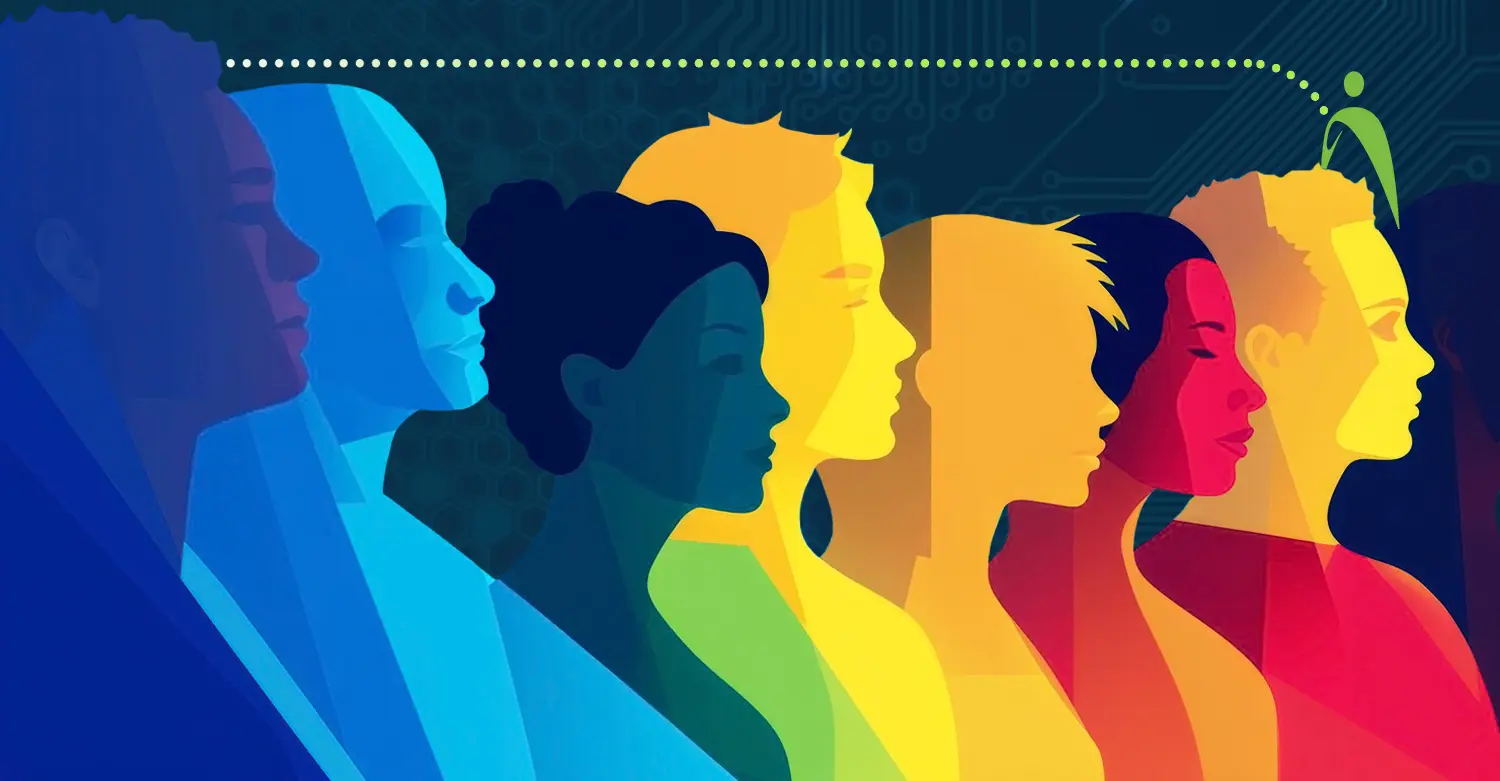
Organizations with diverse international workforces are demonstrating measurable advantages across multiple business dimensions, from financial performance to innovation capacity and market responsiveness.
Diverse teams bring varied perspectives and approaches to problem-solving, leading to more innovative solutions and creative breakthroughs. Research shows that companies with above-average diversity scores report 45% higher innovation revenue and 70% greater likelihood of capturing new markets through innovative products and services.
International teams with diverse backgrounds challenge groupthink and bring multiple viewpoints to strategic discussions, resulting in more thorough analysis and better-informed decisions. Studies indicate that diverse teams make better business decisions 87% of the time compared to homogeneous teams.
Organizations with culturally diverse workforces possess inherent advantages in understanding and penetrating international markets. Team members with local knowledge and cultural insights provide valuable perspectives that help companies adapt products, services, and marketing strategies to different regional contexts and consumer preferences.
Successful global diversity initiatives require comprehensive strategies that address recruitment, retention, and inclusion across international operations and cultural contexts.
Leading organizations are implementing bias-free recruitment processes, expanding talent sourcing to underrepresented regions, and developing partnerships with diverse professional networks globally. Advanced AI tools are helping identify and mitigate unconscious bias in hiring while expanding the geographic and demographic scope of candidate pools.
Companies are investing in comprehensive cultural intelligence training programs that help employees navigate cross-cultural interactions effectively. These programs focus on developing awareness, knowledge, and skills for working across cultural differences, creating more cohesive and collaborative international teams.
Organizations are developing standardized yet flexible inclusion frameworks that can be adapted to different cultural contexts while maintaining core principles of equity and respect. These frameworks provide consistent guidelines for inclusive behavior while allowing for cultural variations in implementation.
Advanced technologies are playing an increasingly important role in supporting and measuring global diversity initiatives across distributed international teams.
Sophisticated analytics tools are providing real-time insights into diversity metrics across global operations, enabling organizations to track progress, identify gaps, and measure the impact of diversity initiatives on business outcomes. These platforms help leaders make data-driven decisions about diversity investments and strategies.
Technology providers are developing collaboration platforms specifically designed to support diverse international teams, with features that accommodate different communication styles, language preferences, and cultural norms. These tools help create more equitable participation and idea sharing across global teams.
Artificial intelligence systems are being deployed to monitor inclusion indicators in team interactions, meeting participation, and communication patterns. These systems provide actionable insights for improving inclusion and ensuring all team members have equal opportunities to contribute and advance.

While the benefits of global workforce diversity are clear, organizations face significant challenges in implementing effective diversity strategies across different cultural and regulatory contexts.
Organizations must develop sophisticated approaches to managing cultural differences in communication styles, conflict resolution, and leadership expectations. Successful companies are creating cultural bridge roles and developing hybrid team cultures that respect individual cultural backgrounds while establishing shared team norms and values.
Global diversity initiatives must navigate complex and sometimes contradictory legal frameworks across different countries. Organizations are developing centralized compliance expertise while allowing for local adaptation of diversity programs to ensure alignment with regional laws and cultural norms.
Developing consistent yet contextually appropriate metrics for measuring diversity success across different countries and cultures presents significant challenges. Leading organizations are creating balanced scorecards that include both universal and locally relevant indicators of diversity and inclusion success.
Effective leadership is critical for harnessing the full potential of diverse international teams and creating inclusive environments where all team members can thrive.
Organizations are identifying and developing specific leadership competencies required for managing diverse global teams, including cultural intelligence, empathy, bias awareness, and the ability to create psychological safety across cultural boundaries. These competencies are being integrated into leadership development programs and performance evaluations.
Successful global organizations are moving towards distributed leadership models that leverage the diverse strengths of team members across different locations and backgrounds. These models create more inclusive decision-making processes and development opportunities for emerging leaders from varied cultural contexts.
Progressive companies are implementing cross-cultural mentorship programs that pair leaders and emerging talent from different cultural backgrounds. These programs facilitate knowledge exchange, career development, and the building of inclusive leadership capabilities across the organization's global footprint.
Emerging trends and technologies are shaping the future of global workforce diversity, creating new opportunities and challenges for organizations operating in international markets.
Advanced AI systems are being developed to enhance rather than replace human diversity, identifying complementary skill sets and perspectives that create optimal team compositions for specific challenges and opportunities. These systems help organizations build teams that leverage cognitive diversity for maximum innovation impact.
Organizations are expanding their understanding of diversity to include neurodiversity, recognizing the unique strengths and perspectives that individuals with different neurological conditions bring to global teams. Specialized recruitment and support programs are helping organizations access this largely untapped talent pool.
With five generations now active in the global workforce, organizations are developing sophisticated approaches to leveraging generational diversity. These strategies focus on creating collaborative environments where different generations can learn from each other and combine their unique perspectives and experiences.
Advanced measurement frameworks are helping organizations demonstrate the tangible business benefits of global workforce diversity investments.
Companies are developing specific metrics to measure the impact of diversity on innovation outcomes, including patent filings, new product development speed, and market adoption rates for innovations developed by diverse teams. These metrics help quantify the innovation premium generated by diverse workforces.
Organizations are correlating diversity metrics with market performance indicators such as customer satisfaction, market share growth, and brand perception across different regions. These analyses help demonstrate how diverse teams contribute to better understanding and serving global customer bases.
Advanced analytics are being used to track the performance and advancement of diverse team members across global operations, identifying success factors and potential barriers to inclusion and career progression in different cultural contexts.
Global workforce diversity has transitioned from a moral imperative to a strategic business necessity in today's interconnected world. Organizations that successfully build and leverage diverse international teams are positioning themselves for sustained competitive advantage through enhanced innovation, better decision-making, and deeper market insights. The complexity of global business challenges requires the cognitive diversity that only comes from bringing together people with different backgrounds, experiences, and perspectives.
The most successful organizations of 2026 and beyond will be those that view diversity not as a program or initiative, but as a fundamental aspect of their organizational DNA and competitive strategy. These organizations will create environments where diverse talent can thrive, collaborate effectively across differences, and drive innovation that reflects the complexity and diversity of global markets.
As the business landscape continues to evolve, the ability to harness the power of global workforce diversity will become increasingly critical for organizational resilience, adaptability, and long-term success. Organizations that master this capability will not only achieve better business outcomes but will also contribute to building more inclusive and equitable global business ecosystems.
At Navon Jobs, we understand that building truly diverse global teams requires sophisticated strategies, deep cultural understanding, and ongoing commitment. Our global diversity solutions help organizations develop comprehensive approaches to diversity and inclusion that drive business results while creating environments where all employees can thrive and contribute their unique perspectives and talents. Contact us to learn how we can help your organization leverage the power of global workforce diversity for sustainable competitive advantage.